
How to Have Beautiful Wedding Photos Without Building Your Day Around Photography
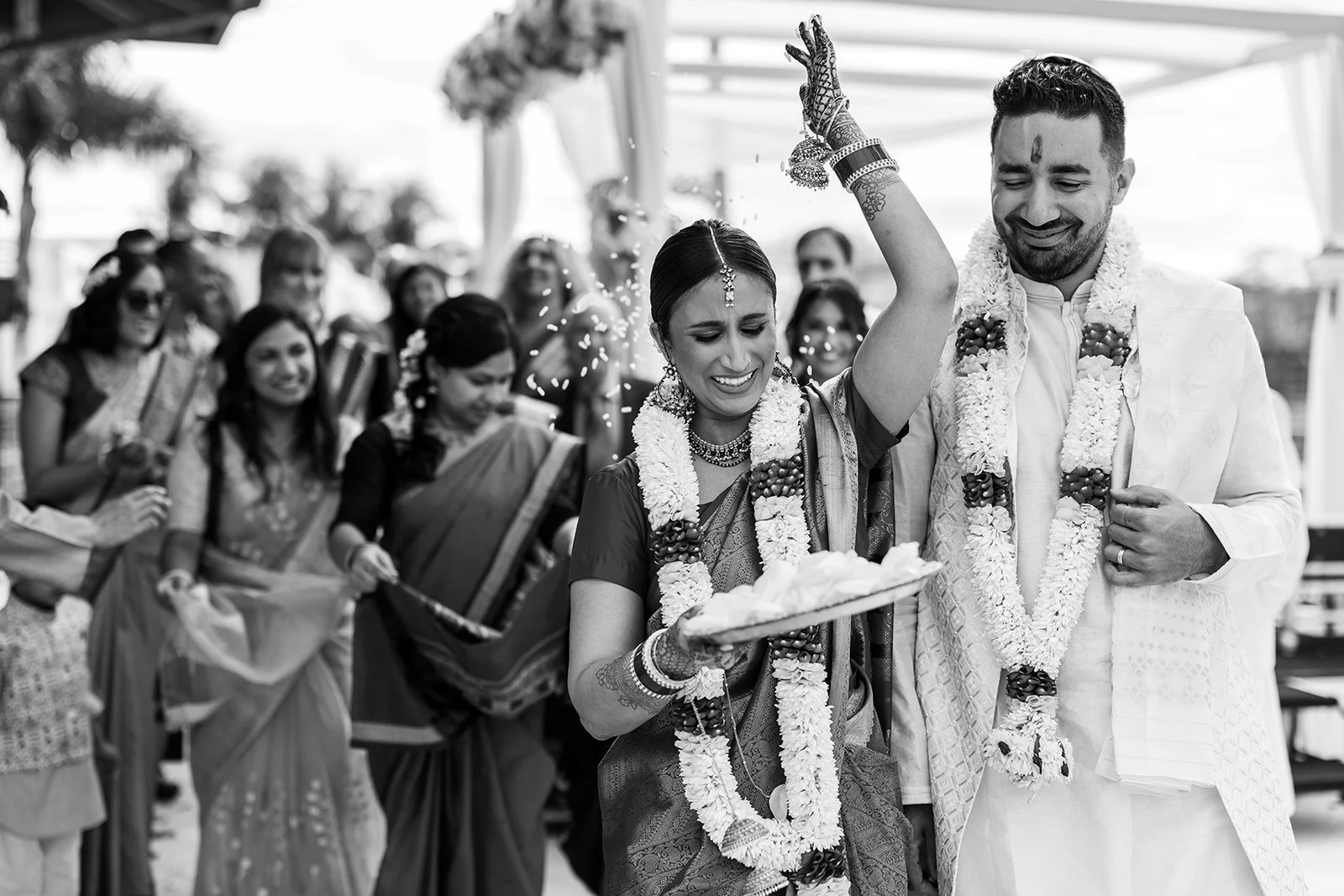
You can care deeply about your wedding photos and still want to actually experience your wedding.
Those two things don’t have to compete.
One of the first things I ask couples is what matters most to them: portraits, cocktail hour, family time, or a balance of all three.
There’s no wrong answer.
My job is to understand your priorities, explain what each choice requires, and build photography into your day in a way that supports it—not controls it.
Tell your photographer what matters to you
Being present doesn’t mean sacrificing great photos.
If you want strong portraits and time at cocktail hour, we can plan for that. A first look often helps by moving couple portraits, wedding party, and family photos earlier in the day so you’re freer afterward.
If you don’t want a first look, that’s also completely fine—but it usually means cocktail hour becomes the time for most portraits and family photos.
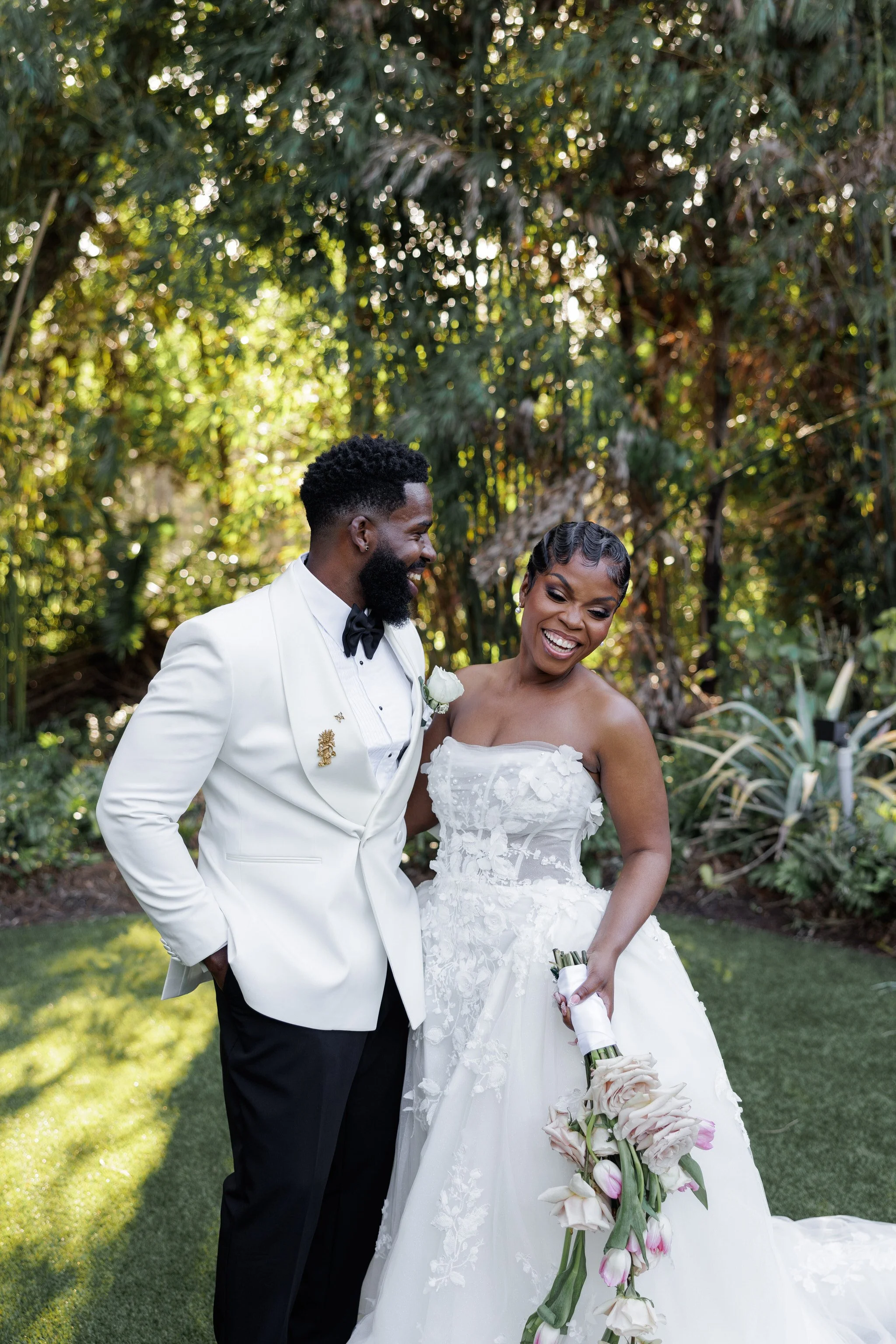
Neither option is better. They just shift where the time goes.
Be realistic about photo timing
Family photos almost always take longer than expected, especially when people start disappearing to cocktail hour.
To keep things efficient, I usually start with immediate family—parents, siblings, grandparents, and their households. I also prefer keeping the couple together instead of splitting them into endless combinations. You’re married now; we can photograph you together.
If extended family groupings are important, we’ll absolutely do them—but they will take time, and that time may overlap with cocktail hour.
For couple portraits, 20–30 minutes is usually enough. Sometimes less. You don’t need to know how to pose or perform—I’ll guide you when needed, but the goal is for it to feel like you, not a production.
Inspiration should guide the feeling, not the shot list
Pinterest boards are helpful, but I’m not trying to recreate them image by image.
I’m looking for patterns: mood, energy, movement, intimacy, editorial feel, documentary feel—whatever connects the images you’re drawn to.
That’s more useful than a checklist of poses.
The same goes for getting ready. You don’t need matching robes, staged champagne pops, or everyone sitting perfectly in a line unless that genuinely excites you.
Some of the best getting-ready photos happen when nothing is staged at all—people talking, laughing, eating, moving around the room while life is already happening.
You don’t have to manufacture moments. They’re already there.
Give your wedding day room to breathe
Weddings are live events. Something will go off-script.
At my own wedding, it was so windy that the place cards kept flying off the tables. After a while, everyone just sat wherever they wanted. And honestly? It didn’t matter.
That’s why I build flexibility into timelines. We need structure, but not rigidity.
Sometimes the most important thing happening isn’t on the schedule.
If we’re supposed to start portraits but your grandmother is holding your hand telling you a story and you’re both tearing up, I’m not going to interrupt that. I’ll photograph it and adjust.
I can always make another portrait. I can’t recreate that moment.
Your gallery should include your people, not just you
Yes, you’re the center of the day—but your people are what make it meaningful.
Your parents, grandparents, friends, the person crying during the ceremony who swore they wouldn’t, the group laughing during cocktail hour.
All of that matters.
A wedding gallery isn’t just about how you looked—it’s about who was there and what it felt like to be surrounded by them.
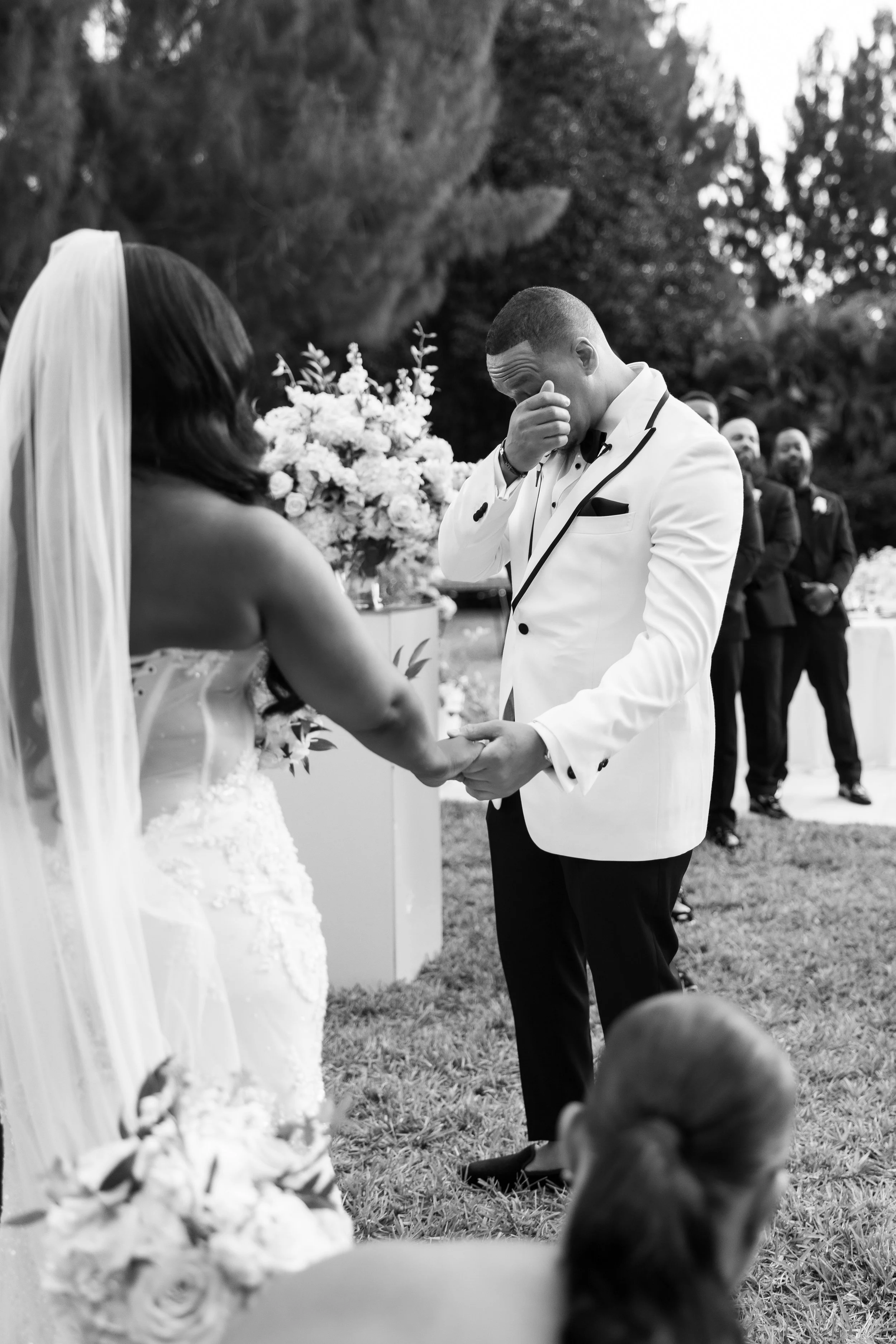
Years from now, some of the most meaningful images won’t be portraits of you at all.
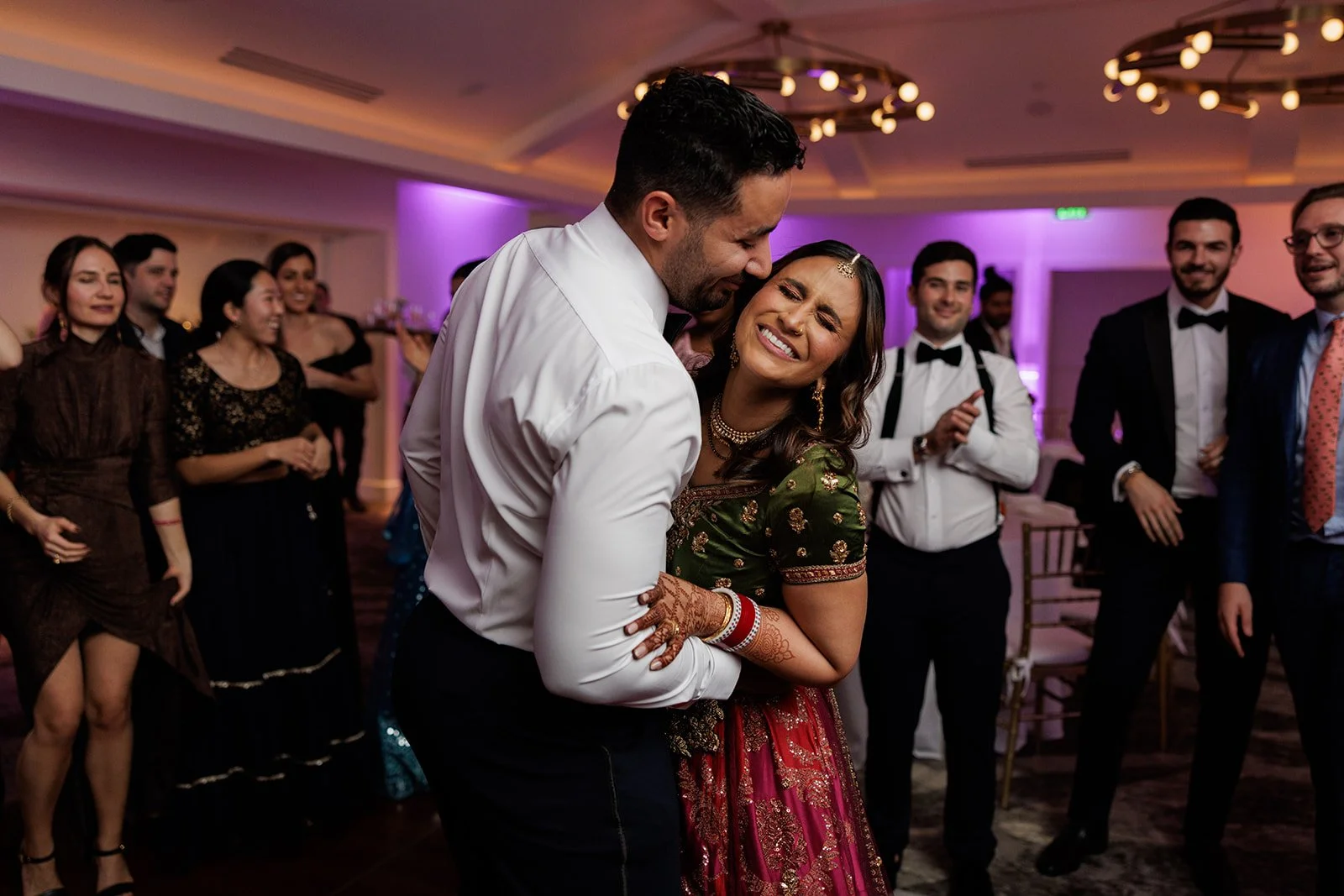
They’ll be your grandmother crying during the ceremony or your friends laughing at dinner.
Your wedding doesn’t have to be a performance
Keep what matters. Skip what doesn’t. Change traditions. Make new ones.
There’s no rulebook you have to follow.
By the time your wedding arrives, I already know what matters to you, and I’ve built that into how I approach the day. You shouldn’t have to think about whether it’s all being captured correctly.
That’s my job.
So on the day itself, be there.
Be with your people. Take the portraits. Go to cocktail hour if you want to. Let things go slightly off plan without letting it define the day.
The best wedding photography timelines make space for everything: portraits, people, and presence.
Because I don’t just want you to remember what your wedding looked like.
I want you to remember what it felt like to be there.
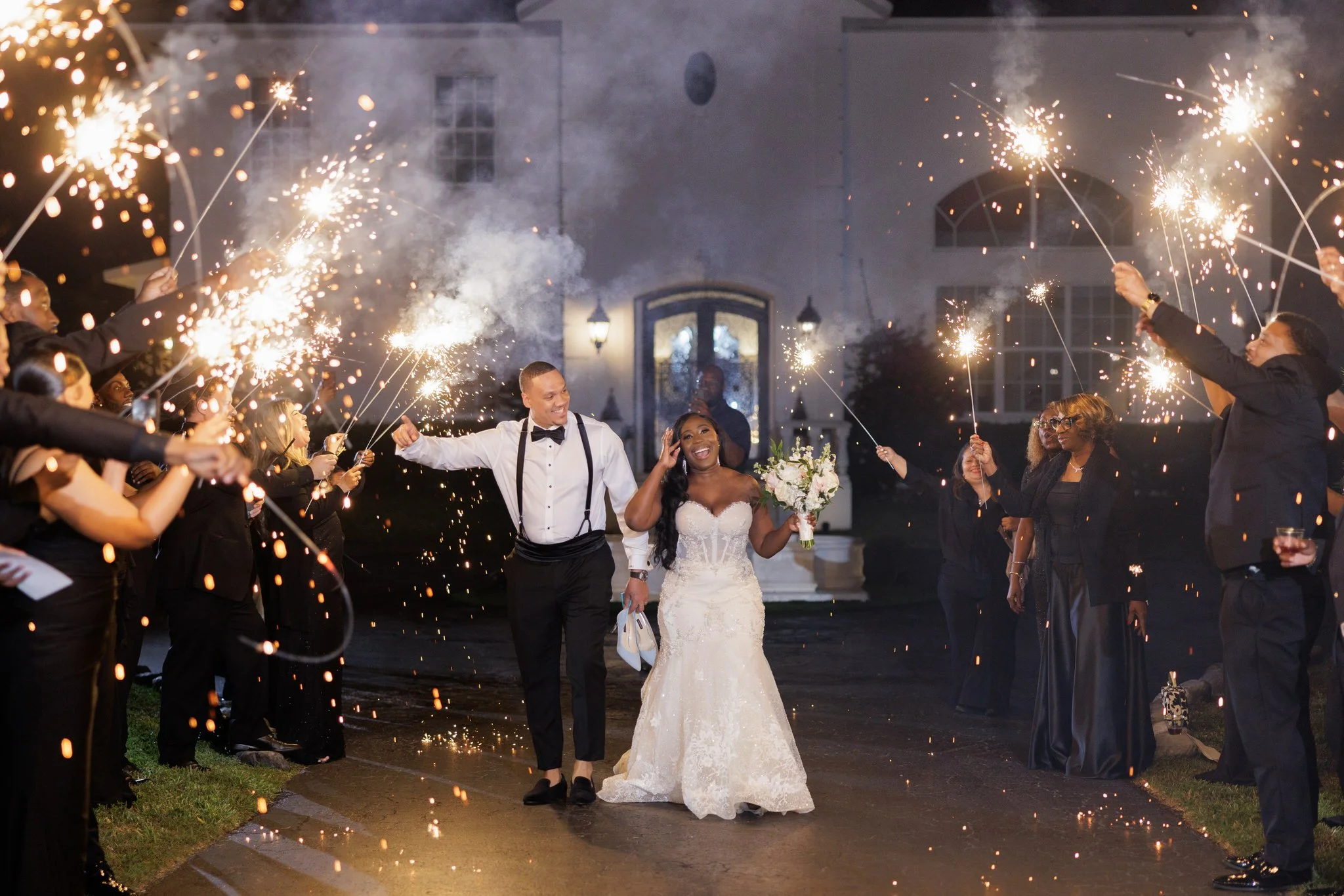
Planning a wedding where you want to be present for it all?
If you’re looking for photography that gives you space to experience your day while making sure the people, moments, and portraits that matter are documented, I’d love to hear what you’re planning.